How To Hire A Customer Service Adviser: The Complete Strategic Guide
Your customer service team is the frontline of your brand. Hiring the right adviser is a business-critical decision. This comprehensive guide provides a step-by-step framework, from defining your needs to onboarding top talent, ensuring you build a team that drives satisfaction and growth.
Hire a Customer Service Adviser NowYour Hiring Strategy Overview
Building a Long-Term Team
Permanent customer service advisers become the core of your brand voice. This path is ideal for businesses seeking stability, deep product knowledge, and long-term customer relationship building. The process is more rigorous and involves a significant investment in onboarding and training.
A successful permanent hire requires a clear career progression path within your organization. Consider how this role can evolve into team leadership, quality assurance, or training positions. For insights on optimizing this long-term hiring process, our Master Guide to Candidate Screening is an invaluable resource.
Flexible & Scalable Contract Staffing Solutions
Contract staffing solutions offer unparalleled flexibility for project-based work, covering maternity leaves, or managing seasonal peaks without the long-term commitment of a permanent hire. You gain access to specialised, often highly experienced professionals for a defined period.
This model is perfect for testing new markets, implementing new CRM systems, or handling a specific customer service campaign. It reduces your administrative burden, as the contracting agency typically handles payroll, taxes, and benefits. To explore the power of this model further, read our deep dive on Contract Staffing Services.
Agile Temporary Staffing for Immediate Needs
When you need staff yesterday, temporary solutions are the answer. Ideal for sudden staff shortages, unexpected demand spikes, or short-term event coverage. The focus is on speed and competence to perform the core duties effectively from day one.
A top-tier agency can provide vetted temporary customer service staff within hours, ensuring business continuity. This approach is also a low-risk way to"try before you buy" with a view to a temp-to-perm arrangement. For urgent needs across sectors, our guide on Securing Temporary Events Jobs highlights the mechanics of rapid deployment.
Core Benefits of a Strategic Hire
Enhanced Brand Loyalty
A skilled adviser doesn't just solve problems; they turn frustrated customers into brand advocates. Their empathy and effectiveness directly increase customer lifetime value and reduce churn.
Operational Efficiency
Properly trained advisers resolve issues faster, handle higher query volumes, and make accurate use of your CRM systems. This reduces average handle time and frees up resources for proactive service.
Valuable Business Intelligence
Frontline advisers are a goldmine of insights. A perceptive hire will identify recurring issues, customer pain points, and feature requests, providing direct feedback to product, marketing, and sales teams.
The 7-Step Process: How To Hire A Customer Service Adviser
Following a structured methodology is key to avoiding costly mis-hires. This seven-step process ensures you attract, assess, and secure the ideal candidate.
1 Define the Role & Ideal Candidate Profile
Before writing a job description, look inward. Is this a technical support role, a billing specialist, or a general customer success adviser? Define the channels (phone, email, live chat, social media) and the required technical knowledge.
Pro-Tip:
Go beyond"good communication skills." Specify the traits: resilience, patience, curiosity, and a genuine desire to help. Consider a"homework" task like crafting a sample response to a tricky email as part of your application process.
2 Craft a Compelling Job Advertisement
Your advert is your first point of contact. Sell the role and your company culture. Highlight growth opportunities, training programs, and the impact the role has on customers. Use clear, inclusive language to attract a diverse pool of talent.
Integrate your primary keywords naturally:"We are looking for a dedicated Customer Service Adviser to join our team..." Mention if you offer flexible contract or part-time staffing solutions for the right candidate.
3 Utilise Strategic Sourcing Channels
Don't just post and pray. Use a multi-channel approach:
- Specialist Job Boards: Platforms focused on customer service and remote work.
- Staffing Agencies: Partnering with a specialist agency provides pre-vetted candidates and dramatically speeds up the process. It's a core component of modern contract staffing solutions.
- Employee Referrals: Your best hires often come from within your network.
- Social Media: LinkedIn and even industry-specific Facebook groups can be fruitful.
For businesses needing high-volume recruitment, a partner like Team Staffing for High-Volume Recruitment can manage the entire sourcing pipeline.
4 Implement a Multi-Stage Screening Process
A robust screening process is non-negotiable. Start with a CV review for basic qualifications, then a phone screening to assess communication skills and cultural fit. The next stage should involve practical assessments.
Consider using role-play scenarios, grammar tests, or a mock customer interaction. This step is critical to gauge problem-solving ability and temperament under mild pressure. Advanced tools, like those discussed in our guide on Talent Acquisition, can streamline this phase.
5 Conduct Competency-Based Interviews
Move beyond generic questions. Use the STAR (Situation, Task, Action, Result) method to probe for real-world examples. Ask:"Tell me about a time you dealt with an extremely angry customer. What was the situation, and what did you do?"
Include team members in the interview loop – a potential peer might spot different qualities than a manager. This also gives the candidate a fuller picture of their potential workplace.
6 Check References & Make an Offer
Reference checks are still vital. Speak directly to previous managers or team leads. Ask specific questions about reliability, teamwork, and how they handle stress. This final verification can prevent a poor hire.
When making the offer, be prompt and professional. Clearly outline the compensation, benefits, start date, and any conditions. A positive offer experience sets the tone for the entire employment relationship.
7 Execute a Structured Onboarding Program
The hiring process isn't over when they accept. A structured onboarding program is crucial for retention and early productivity. This should include product deep-dives, CRM training, shadowing experienced advisers, and clear metrics for the probationary period.
Critical Insight:
The first 90 days determine long-term success. Continuous feedback and support during this period are more valuable than a lengthy, unstructured training course. Assign a mentor or"buddy" to guide your new hire.
Common Pitfalls & How to Avoid Them
❌ Hiring for Skill Alone
A candidate might have perfect technical knowledge but lack empathy or patience. This misalignment with company culture leads to quick burnout and poor team dynamics.
The Fix:
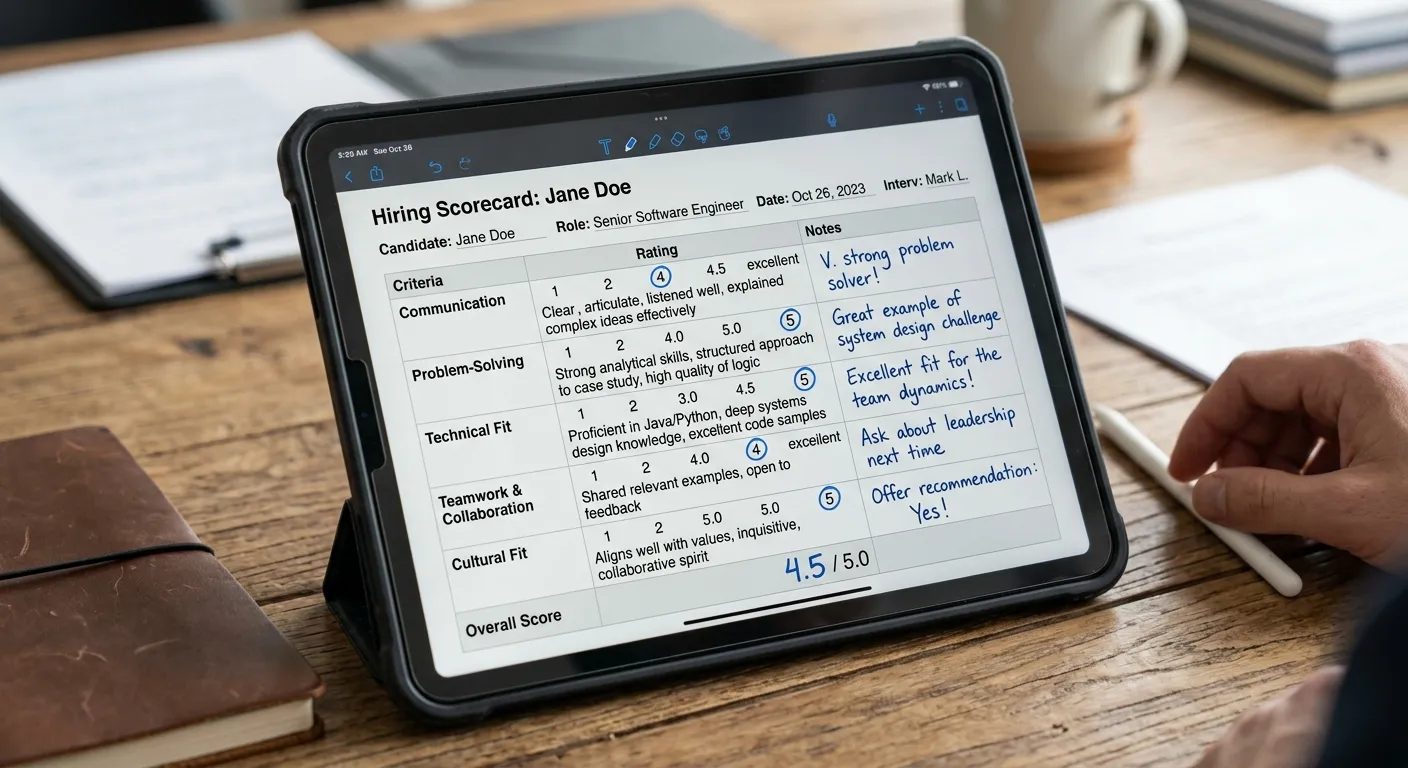
Weight attitude and cultural fit as heavily as technical ability in your scoring matrix. Use behavioural questions and involve multiple interviewers to assess this.
❌ Unclear Role Definition
A vague job description attracts mismatched candidates, wasting everyone's time. It also leads to role confusion and underperformance once hired.
The Fix:
Spend time with your current team to map out the exact responsibilities, key performance indicators (KPIs), and daily tasks before you even write the advert.
❌ Slow Hiring Process
Top customer service talent is in high demand. A process that drags on for weeks will result in losing your preferred candidates to faster-moving competitors.
The Fix:
Streamline internal approvals, schedule interviews in blocks, and use technology for initial screenings. Consider a staffing agency to manage the process speed; they are experts in quick hire scenarios.
❌ Neglecting the Candidate Experience
Ghosting candidates, disorganised interviews, or lack of communication damages your employer brand. These candidates are also potential customers.
The Fix:
Communicate timelines clearly, provide feedback where possible, and ensure every interaction is respectful and professional. Treat candidates as you would treat a valued customer.
Frequently Asked Questions
The timeline varies significantly. For a direct permanent hire, budgeting 4-8 weeks from job posting to start date is typical, allowing for sourcing, multiple interview rounds, and notice periods. Using a specialised staffing agency can compress this to 1-3 weeks, as they have active pools of pre-vetted candidates. For immediate temporary needs, agencies like ours can often provide staff within 24-48 hours.
This depends on your training capacity and business needs. Experienced hires can hit the ground running but may come with higher salary expectations and ingrained habits. Candidates with high potential (great attitude, communication skills, and learning agility) can be moulded to your specific processes and often show greater long-term loyalty. A balanced approach is often best: seek foundational experience paired with demonstrable potential for growth.
While the terms are sometimes used interchangeably, there's a nuance. Contract staffing typically refers to engaging a specialist professional for a mid-to-long-term project (e.g., 6-12 months) where specific expertise is required. Temporary staffing is generally shorter-term and focuses on filling an immediate operational gap, such as sick leave or seasonal demand. Both are forms of flexible workforce solutions, but the strategy behind the hire differs. Our resource on Temp Staffing Solutions delves deeper into the short-term model.
Beyond the CV, look for evidence in their past roles or during assessments:
- First Contact Resolution (FCR) Rate: Did they aim to solve issues in one interaction?
- Customer Satisfaction (CSAT) or Net Promoter Score (NPS): Do they have any quantifiable feedback from past customers/clients?
- Communication Clarity: Assess this directly in phone screens and written exercises.
- Adaptability & Learning Agility: Can they describe quickly learning a new product or system?
Structured interviewing techniques, as outlined in our Hiring Optimization Guide, are designed to uncover these metrics.
Ready to Build Your World-Class Customer Service Team?
You now possess a complete strategic blueprint for how to hire a customer service adviser. The next step is action. Whether you need a permanent brand ambassador, flexible contract staffing solutions, or immediate temporary support, the right partner makes all the difference.
Stop letting hiring headaches impact your customer experience. Leverage our expertise, vast talent networks, and streamlined processes to secure the perfect fit for your business.
Post Your Job & Hire Staff TodaySubmit your requirements in less than 5 minutes and let our experts handle the rest.
Essential Skills & Competency Assessment Framework
Identifying the right technical and soft skills is crucial. Use this framework to build your interview scorecard and assessment tasks, ensuring you evaluate candidates against a consistent, objective standard.
Core Soft Skills & How to Test Them
-
Empathetic Communication
Beyond clear speaking, this is the ability to listen actively, acknowledge emotions, and phrase solutions compassionately.
Assessment Method:
Provide a written complaint email. Ask the candidate to draft a response. Look for acknowledgment of frustration ("I understand why that would be disappointing") before moving to a solution.
-
Problem-Solving & Resourcefulness
The best advisers don’t just follow scripts; they think critically to find solutions when standard procedures fail.
Assessment Method:
Use a role-play scenario where your company policy denies a refund, but the customer has a compelling, extenuating circumstance. Observe if the candidate explores alternative goodwill gestures or escalates appropriately.
-
Resilience & Stress Management
This role involves repetitive queries and occasional hostility. Resilience is key to maintaining performance and a positive attitude.
Assessment Method:
Ask behavioral questions like,"Describe a time you had back-to-back difficult interactions. How did you mentally reset between them?" Look for specific self-care or mindfulness techniques.
Technical & Operational Competencies
-
CRM & Help Desk Software Proficiency
Experience with platforms like Zendesk, Salesforce Service Cloud, or Freshdesk is a significant advantage, reducing training time.
Assessment Method:
If possible, conduct a brief, supervised practical test on your live system (using a dummy account). Alternatively, ask them to describe their process for logging, categorising, and escalating a ticket in their previous system.
-
Product/Service Knowledge Aptitude
The ability to quickly learn and retain complex information about your offerings is non-negotiable.
Assessment Method:
During the interview, provide a one-page summary of a fictional (or real) product. After 5 minutes, ask specific questions about its features and limitations to test comprehension and learning speed.
-
Data Entry & Multitasking Accuracy
Customer service often involves updating records while managing a conversation. Accuracy under pressure is vital.
Assessment Method:
A simple timed test transcribing information from a mock phone call transcript into a formatted table can reveal attention to detail and efficiency.
Case Study: Transforming Support with a Strategic Contract Hire
The Challenge: System Migration & Expertise Gap
A mid-sized SaaS company was planning a 6-month migration from a legacy support system to Zendesk. Their permanent team was skilled in the old platform but lacked experience with the new ecosystem. They needed deep, immediate expertise to manage the transition, train staff, and ensure service levels didn't dip, but couldn't justify a permanent senior hire for a time-bound project.
Hiring independently posed risks: a lengthy search, uncertainty over the candidate's actual skills, and the overhead of a short-term employment contract. They needed a guaranteed skillset and a flexible, compliant engagement model.
67%
Faster project completion vs. initial forecast
The Strategic Solution: A Specialist Contract Adviser
The company partnered with a staffing agency specialising in contract staffing solutions for tech support. Within 10 days, the agency presented three pre-vetted candidates with proven Zendesk implementation experience. The chosen contractor was onboarded as an integrated team member with a clear mandate:
- Map and migrate existing ticket workflows and macros to Zendesk.
- Design and deliver a 4-week upskilling program for the permanent team.
- Provide first-line support during the go-live phase and optimise the setup based on live feedback.
The Measurable Outcome
0
Service interruptions during cut-over
94%
Team confidence rating with new system after training
100%
Knowledge transfer achieved; no operational handover delay
The project was completed in four months. The contractor's cost was a clear, budgeted expense with no hidden liabilities. The permanent team gained valuable new skills, and the company now leverages a more efficient, modern support platform. This case underscores the power of using targeted contract staffing to solve specific, high-impact business challenges without long-term commitment.
Leveraging Technology in Your Hiring Process
Modern tools can automate administrative tasks, enhance candidate assessment, and provide valuable data-driven insights, making your hiring process more efficient and effective.
AI-Powered Screening & Chatbots
Initial screening chatbots can engage applicants 24/7, asking pre-qualifying questions about availability, experience level, and work rights. Advanced AI tools can also scan CVs for keyword matches and even analyse video introductions for communication cues, ranking candidates before human review.
Key Benefit: Drastically reduces time-to-screen for high-volume roles, allowing recruiters to focus only on the most promising candidates.
Asynchronous Video Interview Platforms
Platforms like HireVue or Spark Hire allow you to send candidates a set of questions to record video answers on their own time. This provides a more personal view than a phone screen and lets you assess non-verbal communication. It also standardises the process, as every candidate answers the same questions in the same order.
Best Practice: Use these for early-stage interviews. Follow up with a live video call for the candidates who perform best to assess real-time interaction and chemistry.
Applicant Tracking System (ATS) Analytics
A robust ATS is more than a database; it's a source of hiring intelligence. Track metrics like source of hire (which job board yields your best candidates?), time in each stage, and drop-off rates. Analysing this data helps you refine your job ads, improve the candidate journey, and allocate your recruitment budget more effectively.
Strategic Insight: If data shows your best permanent hires come from employee referrals, consider boosting your referral bonus program. If contract roles fill fastest via agencies, double down on those partnerships.